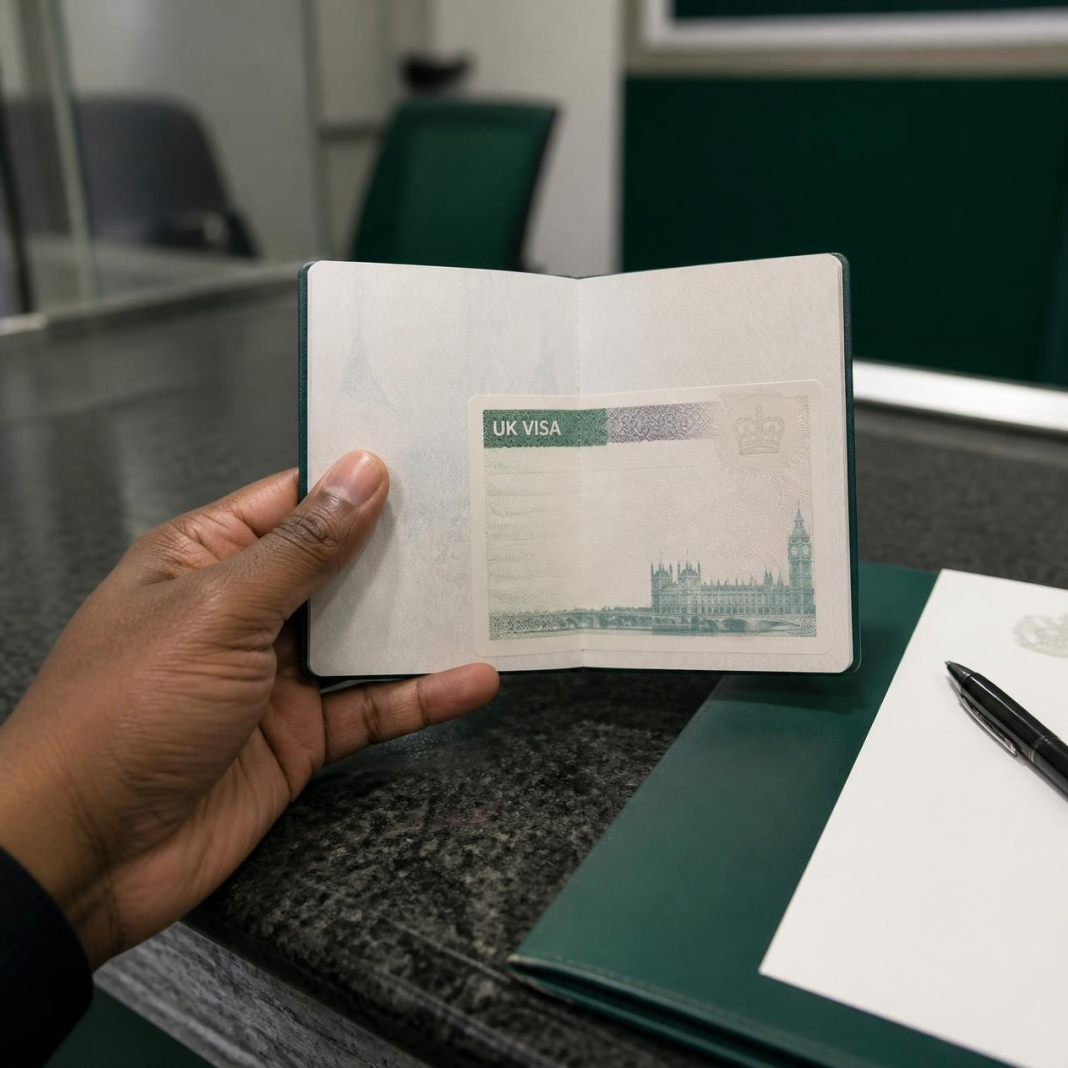

The UK updated its Global Universities List covering degrees awarded between 1 November 2026 and 31 October 2027, and it decides who can apply for the High Potential Individual (HPI) visa without a job offer or sponsor.
The list has 82 universities. The US has 34 of them. Mainland China has eight, Australia six, and Hong Kong five. Europe has 19. No university in Nigeria, Ghana, Kenya, South Africa, or anywhere else in Africa made it.
How A University Gets On The List
To qualify, a non-UK university must rank in the global top 50 in at least two of three tables: Times Higher Education (THE), Quacquarelli Symonds World University Rankings (QS), and the Academic Ranking of World Universities (ARWU).
Those rankings do not measure graduate potential but rather what elite universities are good at: research volume, citation counts, international faculty ratios, reputation surveys, and endowment-fuelled output.
African universities are structurally locked out of that game. The highest-ranked African institution, the University of Cape Town (UCT), typically sits around 150 to 200 in QS and THE. If UCT cannot clear the bar, no African university can.
The result is a list that looks global but is geographically narrow. Asia has 22 institutions, including Singapore with two, Japan with two, and South Korea with three. South Asia has none. Africa has none. Latin America has none.
What The HPI Visa Is
The HPI route is often sold as the UK’s open door for talent. In practice, it is small and temporary.
It gives two years for bachelor’s and master’s holders and three years for PhD holders, with permission to work in most jobs, be self-employed, and start a business. It is capped at 8,000 applications a year, from 1 November to 31 October. It cannot be extended, and time on it does not count toward settlement. Holders who want to stay must switch to another route, like Skilled Worker.
UK Government Moves to Restrict Non-Compete Clauses Affecting Five Million Workers
Applicants also need to meet English-language and financial requirements and must have graduated within the last five years from a listed university in the relevant year.
An African graduate who studied at MIT, Stanford, Toronto, or NUS can qualify. An African graduate who studied at the University of Lagos, the University of Ghana, or the University of Nairobi cannot, even with the same degree class or the same startup traction.
What This Means For African Tech Talent
For a software engineer, AI researcher, or product lead, the HPI visa was the only route that let you move first and find work later. Without it, the default is the old route: secure a licensed sponsor, meet a salary threshold, and wait for an employer to take on the paperwork and cost.
That changes the bargaining power. A sponsored worker is tied to an employer. An HPI holder can quit, freelance, or find a company. The UK is offering that freedom, but only to graduates of institutions that already produce the most mobile talent.
For founders, the gap is sharper. HPI allows self-employment without a sponsor. The alternative routes for founders, the Innovator Founder visa or Global Talent, require endorsement, a credible business plan, or recognised exceptional talent; however, they are slower and more expensive.
The Bigger Question
Rankings reward historical wealth, not current talent production. China understood this and invested for decades to push Tsinghua, Peking, Fudan, and others into the top 50. Singapore did the same with the National University of Singapore and Nanyang Technological University. African governments, with far smaller research budgets and heavy teaching loads, have not had the same fiscal space, and their universities are penalised for it in every cycle.
The UK also gets a political benefit from this design. It can claim it is attracting the world’s best without expanding immigration numbers. The 8,000 cap keeps the scheme small, and the ranking filter keeps it defensible in Westminster.
Until the criteria change, from rankings to something like skills, employer demand, or outcomes, the HPI list will keep reproducing the same map. The US and China at the top. Europe and parts of Asia in the middle. Africa, South Asia, and Latin America are absent, not because their graduates lack potential, but because their institutions were never built to win the ranking game.
These Four UK Visa Pathways Are Available to Tech Talents in AI
UK Budget Unveils Visa Reforms and Tax Relief for High-Growth Founders