
London-based fintech Seva Money has raised $5 million in a funding round co-led by Blockwall and Revent as it develops infrastructure to help money transfer operators offer more than cash payouts to people receiving money from abroad.
The funding will support product development, the expansion of partnerships with money transfer operators and entry into additional receiving markets.
The company is targeting what it sees as an overlooked part of the remittance market: the services available to recipients after a transfer has been completed. While traditional money transfer operators (MTOs) compete on transaction fees, exchange rates and speed, Seva wants to help them maintain relationships with customers beyond the initial payment.
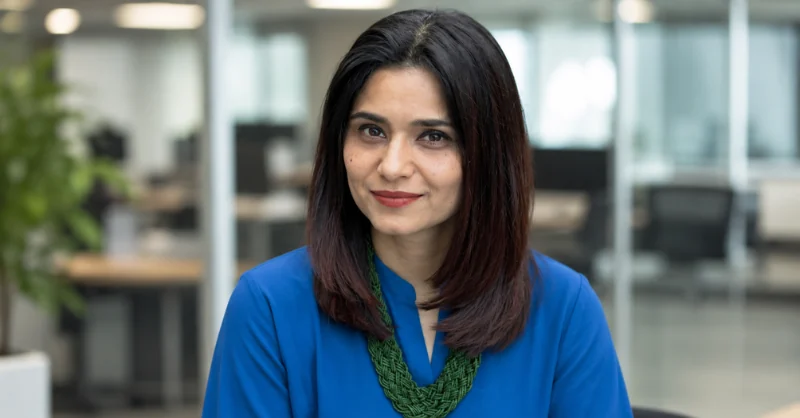
Founded by Ritu Soni, who previously held senior product roles at WorldRemit, Paysafe, Skrill and Lebara Money, Seva provides a platform that allows MTOs to offer recipients branded digital wallets and payment cards, alongside financial and healthcare services. Its infrastructure supports both traditional fiat currency and stablecoin payment rails.
The model is designed to allow remittance companies to extend their existing services without having to build their own wallet, card infrastructure or additional financial products. Recipients could use the cards for everyday spending while accessing services such as savings and healthcare through the platform.
Seedcamp, Stride.VC and Ada Ventures, which previously backed the company, also participated in the latest round. The investment includes support from angel investors with experience in fintech and payments, including Husayn Kassai, founder of Onfido; Benjamin Fernandes, founder of NALA; and Michael Kent, founder of Tandem Bank and Azimo.
Seva’s receive-side services are currently live in India and Mexico. The company plans to expand into the Philippines, Kenya, Nigeria, Tanzania and Ghana over the next 12 months, bringing its model into several markets with significant cross-border payment activity.
For African markets, the planned expansion could create another route for remittance operators to offer recipients financial products beyond the immediate transfer. It also places Seva in a market where established money transfer businesses and newer fintech companies are competing to make cross-border payments more useful for both senders and recipients.
The commercial proposition is aimed at MTOs as much as the people receiving the money. By offering additional services after a payout, Seva believes operators can generate recurring revenue and maintain customer engagement between transfers, rather than relying solely on individual transactions.
“We are building the infrastructure that allows MTOs to stay connected to their customers beyond the payout, turning a one-time transfer into an ongoing relationship. This funding gives us the ability to scale that infrastructure and bring the receive-side proposition to more markets and more MTOs,” Soni said.